
On October 10, 2024, as part of the Erasmus+ Jean Monnet project “Studies of the Principles and Values of European Politics from Pericles to Modern Times” (No. 101127113 — POLIS — ERASMUS-JMO-2023-HEI-TCH-RSCH), a student panel discussion “Morality and Politics: the Political Values of Europe” took place during classes in the course “Contemporary Political Philosophy.”
The participants discussed the central question: can politics be guided by moral principles, or does morality inevitably yield to interests and power? The students viewed Europe both as an object of analysis and as a space where, after the catastrophes of the twentieth century, an attempt was made to place the values of dignity, freedom, democracy, the rule of law, and human rights at the foundation of the political order.
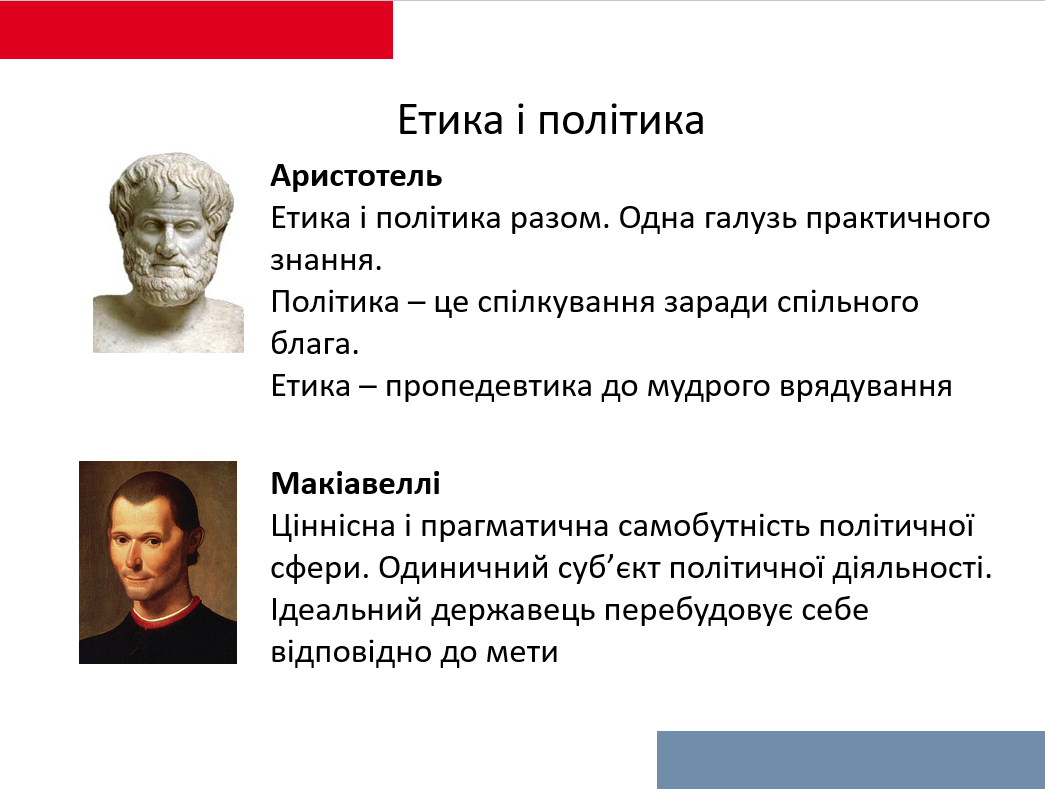
The students began with the classical dispute between Aristotle’s approach, for which politics is a continuation of ethics and the pursuit of the common good, and Machiavelli’s political realism. They also mentioned Kant’s project of “Perpetual Peace” as an early attempt to substantiate the European liberal order. Separately, they considered Weber’s distinction between the ethic of conviction and the ethic of responsibility, using examples such as sanctions policy, military aid to Ukraine, and energy dependence on Russia.
A significant part of the discussion was devoted to the question of what “European values” are and where they come from: from ancient democracy and Roman law to the Enlightenment and the experience after 1945. Article 2 of the Treaty on European Union served as a basis for the analysis, along with the concepts of J. Habermas, J. Rawls, and I. Berlin. The participants critically discussed the gap between declarations and practice: migration policy, the colonial legacy, rule-of-law problems in some member states, and trust in EU institutions.
A separate block concerned the war in Ukraine as a moral test for Europe: the right to self-defense, the responsibility to protect civilians, and solidarity and its limits. The students also spoke about Ukraine’s European integration and whether EU membership criteria can also serve as moral requirements, how to combine the speed of accession with the quality of reforms, and how Ukraine’s experience of resistance and self-organization can enrich European political culture.
For the discussion, the students presented different positions: “realist,” “liberal-universalist,” “critical,” and “Ukrainian perspective.” After short presentations, an exchange of questions and a concluding word from the moderator followed.
In conclusion, the participants agreed that morality and politics are neither identical nor entirely separate, and that there is a constant tension between them that requires responsible decisions. European values, in their words, are the result of historical experience and remain a subject of debate and criticism, and the war in Ukraine has once again raised the question of whether values can serve as a basis for security policy.